

French Door Window Replacement
French doors add a beautiful design element to homes and provide a great view. French doors are also a popular option for improving energy efficiency.
It's time to replace your French door windows if one or more have been damaged. Replacing french door window glass is a low-cost DIY project.
Replacement Panes
French doors add an elegant, timeless appearance to homes. They are typically coated with glass panes to let sunlight and views from outside to flood into the house and brighten the interiors. Glass panes with a glaze pose a security threat if they crack or break. Fortunately, replacing a broken or cracked window pane won't require the purchase of a whole door and can be completed with just a few tools, elbow grease, and some basic knowledge of working with glass.
French door replacement panes are available in a variety of styles and materials. They can be transparent, colored or constructed of safety glass for impact protection. They can also be made to be etched or patterned to provide the privacy or design element to the windows. They can also be made to be more energy efficient by using low-E film, or argon gases to increase energy efficiency and decrease the effects of ultraviolet radiation and glare.
To replace a broken window pane, remove the broken glass first from the frame. Be sure to wear gloves and goggles throughout this process to prevent injury. After the old glass is removed, the frame must be cleaned to ensure no debris or dust is left behind. It's a good idea to also scrape the edges of the frame and remove any glazing points to clean the area.
The new glass can be installed and secured to the frame after it has been cleaned. To avoid leaks, misalignment, and other issues it is essential that the glass be matched exactly to your existing frame. The glass is fixed with double-sided tape or caulk. After the putty has dried and is painted, it can be sprayed or covered with trim to complete the job.
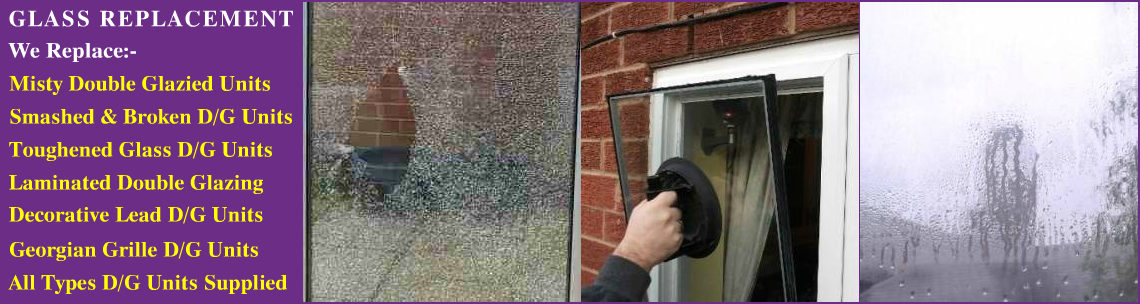
If your French doors have dual-pane windows The seals between the windows may occasionally fail, causing moisture to seep into the space and cause a cloudy appearance or loss of insulation. This is usually due to aging and can be fixed by getting a professional repair service or replace the seals on the existing IGUs. (IGUs). It is possible to replace a single window pane of the French door with a brand new IGU, if you have the right measurements for the new piece of glass.
Frames
The frame is the part that holds the glass in place and also provides support to the door when it swings open and closed. The frames available for french doors are metal, wood composite, or vinyl. They can be stained or painted. The wood frames are often stained and then finished with a clear top coat to protect them from the elements. Other frame materials can be left unpainted or painted in a color you prefer. Many of our customers choose to keep the existing frames and replace only the broken panes of glass. This can give you a fresh appearance for a fraction of the cost of replacing the entire door system.
french door replacement is recommended that if you decide to stain doors, you do it in a space with good ventilation and follow the precautions, warnings, and recommendations of the paint's manufacturer. Sand the areas that will be stained lightly. Clean using an mild detergent mix and allow to dry. After the surfaces have dried, they can be coated with an opaque acrylic latex base coat, and allow to dry completely between coats. Finally a clear top coat must be applied following the instructions of the paint maker.
To ensure safety and performance, it's essential to use the right glass for your French doors. Glass should be tempered. This is more secure in the case of a break than regular annealed. Tempered glass also does a better job of controlling the heat and reducing glare within your home, and is much less likely to form condensation between the two layers of glass.
The glass inserts for your French doors are available as a solid piece of glass that completely covers the door (1 lite) or with a grid on the bottom that is referred to as a divided-lite. Divided lites are an iconic feature that exudes class and blends well with different architectural styles.
When the glass in your French doors breaks, it is important to have a replacement that is the same thickness as the original. This will ensure proper operation and a secure seal. Glass that is insulated can be as thick as 3/4". However decorative "triple-glazed" glass (two pieces of clear glass with a decorative piece in the middle usually with metal caming) can be as thick as 1/2". It is essential to choose the right thickness of glass when obtaining an upgrade as windows that are too thin will not seal properly or may be difficult to open.
Hardware
Certain French doors have glass that makes up the entire door (1 lite) or some have a top and a regular pane at the bottom (1/2 lite). If the glass of the window is broken it must be replaced.
When replacing a French door window, there are a few things to take into consideration. The first is to determine the type of glass that is required. Safety glass is readily available and can help defend against intruders, decrease the glare and reduce UV (ultraviolet) radiation. It is more robust than regular annealed glass and won't shatter into sharp jagged pieces.
The other aspect to consider is the hardware that will be used. It is essential to select the correct hardware that is compatible with the style of your door and window. It should be easy-to-use and robust enough to last for a long time.
After the glass replacement has been put in place, a few final touches need to be done. Generally, the trim around the glass will have to be removed and the nails cut. It is recommended to do this by hand or with a hacksaw. The trim can then be reattached, and the nailholes filled with caulking.
Installation
French door windows provide a natural connection between indoor and outdoor spaces. These windows, whether they are multi-paned or single-paned they add elegance and style to any house. In certain instances, they might require replacement or repair to perform as they should. Replacing French doors and windows is a daunting task for homeowners, but it is feasible with careful planning. Making the right choices and following the correct steps can yield outstanding results.
Before beginning the replacement the window, it is crucial to clean the area around the window. It is also a great idea to cover the floor and walls with a protective covering. Once the area has been cleared, remove all existing hardware and glazing points. Remove the sash using a pry-bar and utility knife. After the old window has been removed clean and sweep the area to remove any remaining debris.
Insulate the windows after it is installed to increase energy efficiency and comfort. This step is particularly important if your old windows were double-pane and were prone to moisture between the panes. This can cause the glass to become damaged and form an oily film within the window.
Fiberglass is the ideal insulation for these areas. It can be put between the framing of the short wall, and can help with both sound and temperature control. It is readily available in most hardware shops and is easy for you to install.
To install the insulation, cut a piece to fit and apply drywall tape over the seams. Then, mud the seams, allow it to dry, and then sand until smooth. Paint the window trim and sash casing to match your home.
Replace the wooden interior stops on the sides and bottom of the frame once the sash is closed. Attach them using a the 4d nail. Slide the sash up to within 10 inches. of the window sill. Use the sash lifts to engage the screwdriver by sliding it into the groove of the parting stop and then twisting it slightly from horizontal to vertical.